
Raw Versus Rendered: What's the Best Approach for Social Media Ads?
2.24.26 | Lily Lungren
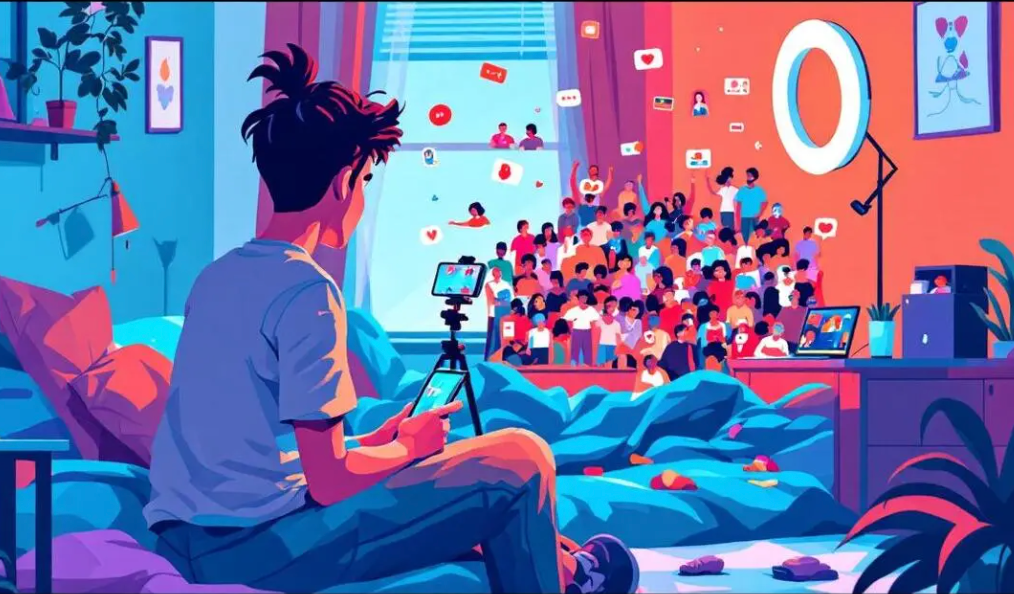
Media production styles and technologies are constantly evolving. What starts as innovation quickly becomes standard. Film became digital. Digital became handheld. And now, even in a world of ultra-high-definition cameras, some filmmakers are intentionally choosing lo-fi tools to create something that feels more human.
Advertising has been going through the same kind of aesthetic reset.
For a long time, ads followed a familiar formula; big production crews, flawless lighting, recognizable talent, and polished scripts. But then social media changed what audiences expect content to look like. Today, the most persuasive content often doesn’t resemble an ad at all. It looks like something a friend might post. It’s shot on a phone, a little imperfect, sometimes rambling, and unmistakably human. Instead of interrupting the feed, it blends into it.
That shift has created two different creative languages. Brand Ads and Creator Ads. Brand ads are professionally produced, tightly controlled, and visually refined. They remain incredibly effective for storytelling, launches, and building long-term equity. Creator Ads on the other hand feel native to platforms like TikTok, Instagram, and YouTube Shorts. They’re conversational, personality-driven, and built on relationships rather than polish.
Influencer and creator marketing continues to grow at a double-digit pace. According to eMarketer, U.S. influencer marketing spend increased roughly 15% year over year in 2025 and is forecasted to grow another ~15–16% in 2026. But, this new model isn’t risk-free. Tying your brand to an individual personality can feel fragile in a culture where public opinion moves fast and reputations can change overnight. EMarketer reported that 58% of consumers over 18 stated they have purchased something because of an influencer endorsement, but over one quarter (26%) don’t trust influencer marketing, compared with 11% who don’t trust advertising overall.
As a result, most marketers aren’t replacing polished creative with creator content, they’re layering the two together.
And now, there’s a third player entering the mix. AI-generated creative is quickly becoming part of the production toolkit. Brands are experimenting with synthetic visuals, generative copy, and automated creative variations that can be produced quickly. Adoption is accelerating even though consumer sentiment remains mixed. Research from CivicScience from May 2025 showed that 36% of U.S. adults say they are ‘less’ likely to purchase from a brand that uses AI in ads, a four-point increase from 32% in December 2025.
The Takeaway
For marketers, this isn’t a clean replacement cycle where one style wins and another disappears. It’s more of an expansion of the creative palette. Polished brand ads still matter when you need compelling storytelling and reach. Creator content may perform better in-feed, where authenticity drives action. AI helps teams scale faster, test more ideas, and stretch budgets further. The craft is no longer about choosing one look. It’s about matching the creative execution to the media moment.